
Injection Molding Machine
Injection Molding Machine
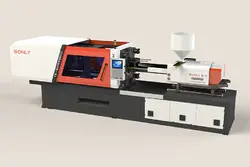
An injection molding machine is a specialized industrial system used to produce plastic components by injecting molten material into a mold. These machines operate through four essential systems: the injection unit, the clamping unit, the drive mechanism, and the electronic control system.
How an Injection Molding Machine Operates
Injection molds can be mounted either horizontally or vertically.
Horizontal machines are the most common in general manufacturing.
Vertical machines are often selected for insert molding because they allow gravity to assist during placement of metal or plastic inserts.
Molds can be secured to the machine platens in different ways:
Manual bolt-based clamping
Hydraulic clamping systems
Magnetic clamping plates, commonly used for fast mold changes
Cold vs. Hot Runner Systems
Plastic can be delivered to the mold cavity through two main runner designs:
Cold runners: Simple channels inside the mold where plastic solidifies along with the part and is removed as scrap or reprocessed.
Hot runners: More advanced systems that use heaters to keep the material in a molten state. This ensures continuous flow and eliminates runner waste.
Hot runner systems can be internally heated, externally heated, or insulated, depending on the design and application.
Types of Injection Molding Machines
1. Hydraulic Machines
For decades, hydraulic presses dominated the injection molding industry. They remain widely used due to their:
Strong clamping force
Durability
Compatibility with large molds
Although they lack the precision of newer technologies, hydraulic models continue to be the backbone of many factories.
2. Mechanical Machines
Mechanical injection molding machines rely on a toggle mechanism to build the required clamping force. Proper tonnage is essential—insufficient force allows the mold to open slightly, causing defects such as flash.
3. Electric Machines
Electric injection molding technology (also known as EMT) offers several advantages:
Lower energy consumption
Faster cycle times
Higher accuracy
Reduced noise
The downside is the higher purchase cost. However, industries that demand precision and efficiency increasingly favor electric presses.
4. Hybrid Machines
Hybrid or servo-hydraulic systems combine elements of both hydraulic and electric technologies. They aim to balance high performance with reduced energy usage, and are popular in applications that require flexibility.
Main Components of an Injection Molding Machine
1. Injection Unit
This section is responsible for melting and injecting the material. It includes:
Mold cavity: Defines the shape of the part and requires adequate pressure to capture fine details.
Reciprocating screw and barrel: The screw melts, mixes, and pushes the plastic toward the mold under controlled pressure.
Heaters and sensors: Maintain precise temperature control to ensure consistent material flow.
2. Clamping Unit
This part of the machine holds the mold closed during injection. It consists of:
Clamping mechanism: Electromechanical or hydraulic systems that open and close the mold.
Tie bars: Support and guide the platens; some modern machines are designed without tie bars for improved mold accessibility.
Platens: Fixed and movable plates that secure the mold halves and withstand the clamping force.
3. Drive Unit
The drive unit powers screw rotation and movement.
Electric systems use multiple servo motors, while hydraulic machines rely on pumps and fluid pressure.
4. Control System
A computerized control unit regulates:
Temperature
Injection pressure
Injection speed
Holding pressure
Clamping force
Maintaining stable temperature and pressure is crucial for producing defect-free molded parts.
Automation and Part Removal
Many production lines integrate robotic arms to remove finished parts from the mold. These can be top-entry or side-entry robots, depending on the required speed and layout. In simpler setups, parts simply drop into a collection container beneath the machine.