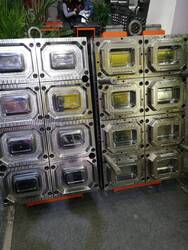

Plastic Injection Molding: The Complete Guide to the Industry’s Most Efficient Manufacturing Process
Plastic Injection Molding: The Complete Guide to the Industry’s Most Efficient Manufacturing Process
What Is Plastic Injection Molding?
Plastic injection molding is one of the most widely used manufacturing processes for producing high-quality plastic components in large volumes. It works by melting plastic pellets, injecting the molten material into a metal mold, and cooling it to form the final shape. This process ensures precision, consistency, and cost-effectiveness—making it essential across multiple industries such as automotive, medical, electronics, packaging, and consumer goods.
How the Plastic Injection Molding Process Works
The injection molding process includes several precise steps:
1. Material Feeding
Plastic granules are fed into the injection machine through a hopper.
2. Melting
The plastic is heated inside the barrel until it reaches a molten state.
3. Injection
The molten plastic is injected into a steel mold under high pressure.
4. Cooling
The mold is cooled, allowing the plastic to solidify into the final part shape.
5. Ejection
The part is removed from the mold, ready for finishing or assembly.
This entire cycle can be completed in seconds, making it ideal for mass production.
Advantages of Plastic Injection Molding
Plastic injection molding offers numerous benefits that make it the preferred choice for manufacturers worldwide:
✔ High Production Efficiency
Large quantities can be produced quickly with minimal waste.
✔ Exceptional Precision
Tolerances can reach as low as ±0.005 mm, ensuring perfect part dimensions.
✔ Wide Material Selection
More than 25,000 types of plastics are available, including ABS, PP, PE, PC, and engineering plastics.
✔ Strength and Durability
Molded parts can be reinforced with fibers, additives, and advanced polymer blends.
✔ Cost-Effectiveness
Low labor cost, reduced waste, and fast cycle times make it highly economical at scale.
Industries That Depend on Injection Molding
Plastic injection molding is used in almost every modern industry, including:
Automotive: dashboards, bumpers, interior trims
Medical: syringes, surgical tools, components for medical devices
Packaging: bottle caps, containers, closures
Electronics: chargers, housings, switches
Consumer Products: toys, kitchenware, daily-use items
Its flexibility and reliability make it the backbone of global manufacturing.
Types of Plastic Injection Molding
1. Standard Injection Molding
Used for high-volume production of everyday plastic parts.
2. Multi-Shot Injection Molding
Two or more materials are injected into the same mold to produce multi-color or multi-material parts.
3. Insert Molding
Metal inserts are placed inside the mold and overmolded with plastic.
4. Gas-Assisted Injection Molding
Compressed gas is used to create hollow sections, reducing weight and material cost.
5. Micro Injection Molding
Used for ultra-small components in electronics and medical devices.
Choosing the Right Plastic Injection Molding Machine
When selecting an injection machine, consider:
Clamping force (50–3000 tons depending on part size)
Shot size and injection pressure
Energy efficiency
Speed and cycle time
Automation compatibility (robots, conveyors, QC systems)
Modern factories increasingly use all-electric injection molding machines for higher precision and lower energy consumption.
Common Plastics Used in Injection Molding
| Material | Properties | Applications |
|---|---|---|
| ABS | Strong, rigid, good finish | Automotive interiors, electronics |
| PP (Polypropylene) | Lightweight, chemical resistant | Packaging, medical |
| PC (Polycarbonate) | Transparent, high impact | Lenses, safety products |
| PE (Polyethylene) | Flexible, durable | Containers, caps |
| Nylon (PA) | Tough, heat resistant | Gears, mechanical parts |
Why Plastic Injection Molding Remains the Top Choice
Plastic injection molding continues to dominate modern manufacturing due to:
Low unit cost in mass production
Ability to create highly complex shapes
Consistent quality and repeatability
Compatibility with automation and smart manufacturing
Wide variety of materials and finishes
For companies aiming to scale production while maintaining top quality, injection molding is the most effective solution.