
Injection Molds
What Are Injection Molds?
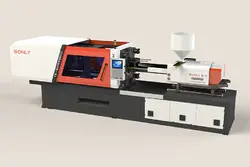
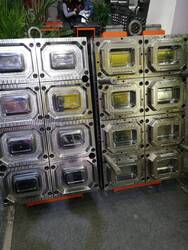
Injection molds are precision-engineered tools used to shape molten plastic into final products through the injection molding process. They play a crucial role in manufacturing a wide variety of items, from simple household parts to complex industrial components. A well-designed mold ensures high-quality output, reduced production time, and consistent product accuracy.
Main Components of an Injection Mold
Cavity and Core
These two parts define the external and internal shape of the product. The cavity forms the outer surface, while the core shapes the internal geometry.
Runner System
This channel delivers the molten plastic from the injection unit to the mold cavity. It can be a cold runner or a hot runner depending on the system used.
Gate
A small opening that controls the flow of molten plastic into the cavity.
Ejector System
After the plastic cools and solidifies, ejector pins or plates push the final product out of the mold.
Cooling System
Water channels or thermal lines regulate the mold’s temperature to ensure efficient cooling and shorter cycle times.
Types of Injection Molds
Two-plate molds
Simple, cost-effective, widely used for general applications.
Three-plate molds
Allow more complex gating and better placement of runners.
Hot runner molds
Reduce material waste and improve cycle time by keeping the plastic molten inside the channels.
Multi-cavity molds
Produce several identical parts in one cycle, ideal for high-volume production.
Advantages of High-Quality Injection Molds
Excellent repeatability
High precision and consistency
Reduced product defects
Faster production cycles
Ability to produce complex shapes
Injection molds are essential in modern manufacturing industries such as automotive, medical devices, electronics, packaging, and consumer products.